

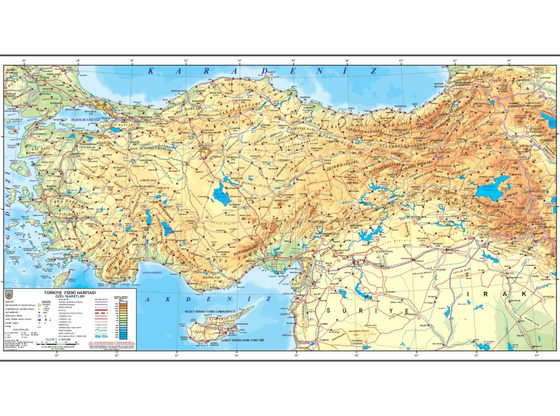

Exploring the natural beauties of Turkey offers an extraordinary experience for eco-tourists and environmental researchers alike. Sites such as Pamukkale’s white calcium travertines and Lake Salda’s hydromagnesite shorelines showcase rare karstic and mineral formations. Lake Salda, in particular, serves as a terrestrial analog to Mars’ Jezero Crater, making its preservation vital for scientific research and ecological conservation.
Fragile Ecosystems and the Natural Beauties of Turkey
In central Anatolia, Cappadocia’s volcanic tuff rock formations present a delicate balance between cultural tourism and severe environmental stress. Uncontrolled visitor foot traffic and climate-induced erosion threaten these fragile fairy chimneys. Therefore, implementing strict carrying-capacity limits and wooden boardwalk protocols is essential to safeguarding these endemic landscapes for future generations.
Protecting Special Environmental Protection Areas (SEPA)
Furthermore, from the coastal lagoons of Ölüdeniz and Dalyan İztuzu beach to the alpine biodiversity of the Kaçkar Mountains, Turkey hosts critical Special Environmental Protection Areas (SEPA). Preserving these natural sanctuaries under UNESCO World Heritage and Ramsar frameworks ensures that human exploration remains within sustainable boundaries. As a result, protecting the natural beauties of Turkey requires strict ecological stewardship and long-term conservation planning.
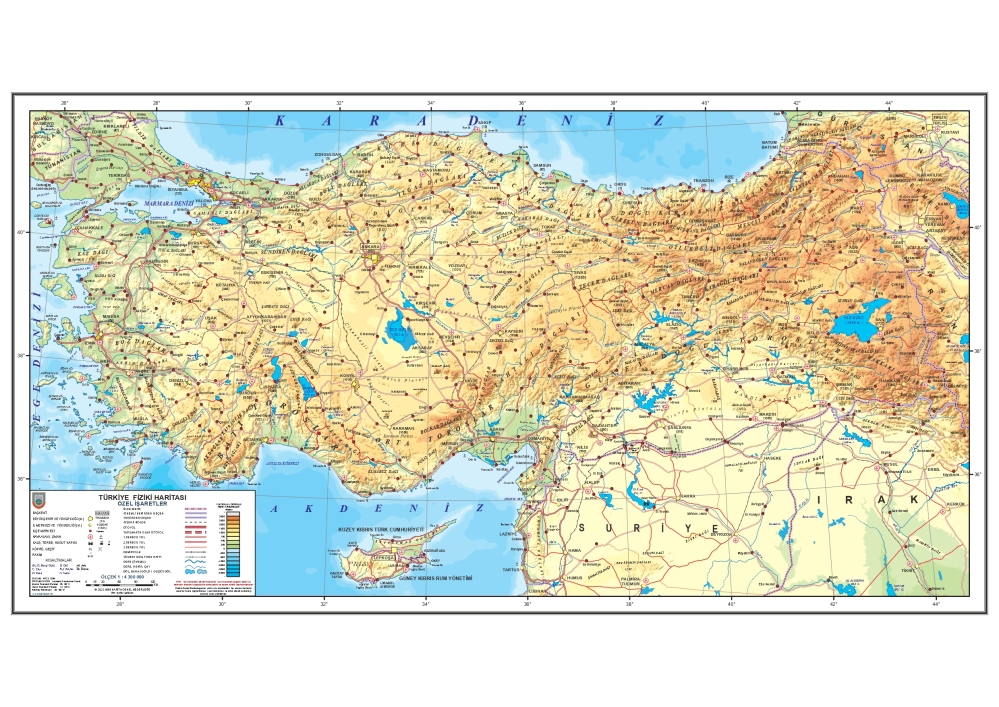
Official Environmental & Sustainable Tourism Resources
- UNESCO World Heritage Sites in Türkiye:https://whc.unesco.org/en/statesparties/tr
- GoTürkiye Official Sustainable Tourism Portal:https://goturkiye.com/sustainable
- National Parks of Türkiye Official Guide:https://goturkiye.com/nationalparks
- Ministry of Agriculture & Forestry – Nature Conservation:https://www.tarimorman.gov.tr/DKMP
İts good
Türkiye is a very beautiful country.
fnkjyiviyvulpowoenmnfudnnxrnei